
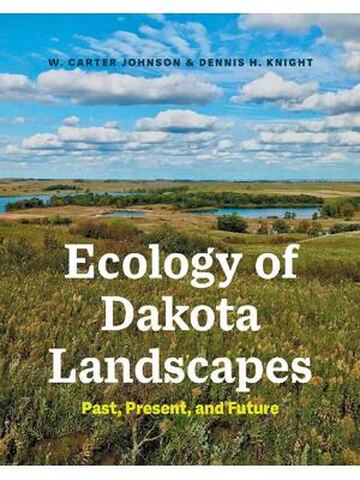
Ecology of Dakota Landscapes: Past, Present, and Future by W. Carter Johnson, Dennis H. Knight
$45.00
Secure checkout
Instant digital download
PDF document
Document details
- Pages
- 336
- File size
- 33.31 MB
- Format
- Digital PDF
- Course
- Ecology and Environment
- Category
- eBook[PDF]
Sign in or create a free account to continue. Your purchase will be saved in My Downloads.
About this ebook
Ecology of Dakota Landscapes: Past, Present, and Future by W. Carter Johnson and Dennis H. Knight provides a comprehensive analysis of the natural and human histories shaping the Northern Great Plains, specifically focusing on North and South Dakota. [1]
Spread across 13 heavily illustrated chapters, the book blends geology, biology, history, and land management. The core topics covered include: [1]
1. Deep Time and Landscape Origins
-
- Geological Evolution: The book reviews hundreds of millions of years of history, tracking major geological shifts starting from the Paleozoic era. [1, 2]
- Glacial History: Exploration of how advancing glaciers carved the modern topography, particularly across the eastern Dakotas, leaving behind fertile soils. [1, 2]
2. Native and Human-Modified Grasslands
-
- Grassland Ecology: Deep dive into the native mixed-grass prairies of the west and the tallgrass prairies of the east, including plant resilience, regeneration traits, and vital underground biomass (roots, fungi, and invertebrates). [1]
- Ecological Drivers: The roles that drought, wildfire, livestock grazing, and burrowing animals play in keeping the grasslands healthy. [1]
- Agriculture and Agroecology: Analysis of how late 19th-century European settlement fractured native ecosystems through the plow, the consequences of soil erosion (such as the Dust Bowl), and modern shifts toward regenerative agriculture. [1, 2]
3. Woodlands and Highland Features
-
- Upland Forests and High Regions: Ecosystem analysis of the Black Hills (ponderosa pine forests), Turtle Mountain, and the Killdeer Mountains.
- Woodland Expansion: How trees have spread to ravines, rocky escarpments, and artificial shelterbelts, becoming more widespread than they were before European settlement.
- Unique Landforms: The distinctive ecology and geology of the regional buttes, badlands, and sandhills. [1]
4. Aquatic Ecosystems and Water Resources
-
- Rivers and Riparian Systems: The general ecology of regional waterways and the dramatic alterations to the iconic Missouri River via major dams and reservoirs.
- The Prairie Pothole Region: Focused examination of the unique glaciated wetlands, marshes, lakes, and fens that serve as crucial wildlife habitats. [1]
5. Future Challenges, Conservation, and Sustainability
- Climate Change Impacts: Predictive formatting of how changing climate conditions will influence the region's biodiversity, water availability, and growing seasons.
- Conservation Frameworks: Actionable frameworks and management strategies to curb negative ecosystem deterioration, protect remaining biodiversity, and strike a sustainable balance between profitable agricultural production and resource conservation. [1]
File included
tmpphpVpK9aQ
33.31 MB
Related ebooks