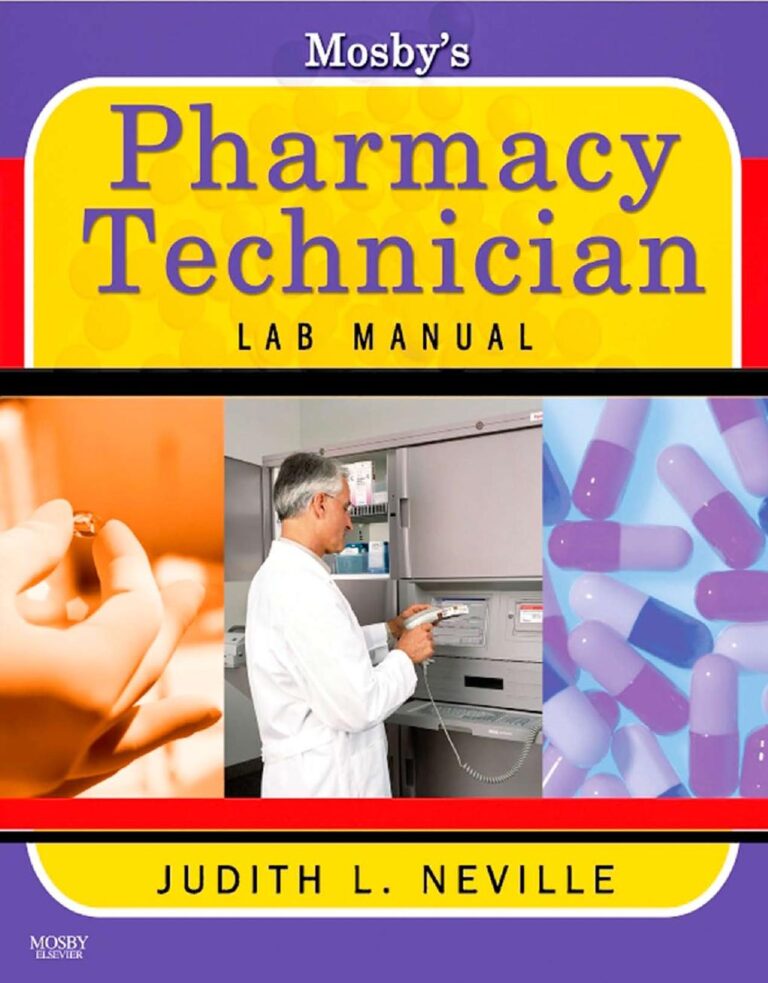
Solutions Manual For Essentials of Pharmacology for Health Professions 10th Edition By Bruce Colbert, Elizabeth Katrancha (All Chapters 1-27
$25.00
Secure checkout
Instant digital download
PDF document
Document details
- Pages
- 187
- File size
- 8.1 MB
- Format
- Digital PDF
- Course
- Pharmacology
- Category
- SOLUTIONS MANUAL
Sign in or create a free account to continue. Your purchase will be saved in My Downloads.
About this ebook
The Solutions Manual For Essentials of Pharmacology for Health Professions, 10th Edition by Bruce Colbert and Elizabeth Katrancha, is a comprehensive resource structured into two core parts across 27 chapters. It provides an essential foundation in medication safety, dosages, and drug classifications for allied health careers. [1, 2, 3, 4]
The primary topics and structural components covered in this edition include:
Part I: Introduction to Pharmacologic Principles
This section builds foundational knowledge regarding how drugs interact with the body, legal constraints, and safe practices for administration. [1, 2]
- Consumer Safety & Drug Regulations: Federal legislation, the role of agencies like the FDA, and the five schedules of controlled substances. [1, 2]
- Drug Names & References: Understanding trade, generic, chemical, and official drug names, alongside utilizing pharmaceutical reference guides. [1]
- Sources & Bodily Effects of Drugs: Drug absorption, distribution, metabolism, and excretion (pharmacokinetics), as well as contraindications and side effects. [1, 2, 3]
- Medication Preparations & Supplies: Identifying types of liquid and solid drug forms, packaging, and necessary injection or distribution equipment. [1, 2]
- Abbreviations, Systems of Measurement & Dosage Calculations: Master step-by-step math workflows for calculating safe, weight-based, or standard drug dosages. [1, 2]
- Principles of Medication Administration: Key responsibilities such as the "Rights of Medication Administration", documenting care, and proper delivery across varying routes:
- Poison Control: Essential steps for managing accidental drug toxicities, overdoses, and poison emergencies. [1]
Part II: Drug Classifications
This section covers specific drug classes organized by body systems or medical usage. Each category breaks down specific drug purposes, common side effects, precautions, contraindications, food/drug interactions, and vital patient education. [1, 2, 3]
- Anti-Infective & Gastrointestinal Drugs: Antibiotics, antivirals, antifungals, and treatments for acid reflux, ulcers, or GI motility.
- Eye and Ear Medications: Drops and ointments for treating conditions like glaucoma or localized infections.
- Analgesics, Sedatives, & Hypnotics: Pain management medications (including opioids and non-opioids) and sleep aids.
- Psychotropic Medications & Substance Abuse: Antidepressants, antipsychotics, anti-anxiety drugs, and treatments targeting alcohol or drug dependencies.
- Musculoskeletal & Anti-Inflammatory Drugs: NSAIDs, muscle relaxants, and arthritis treatments.
- Neurological Agents: Anticonvulsants for seizures, antiparkinsonian drugs, and medications for managing Alzheimer’s disease.
- Endocrine & Reproductive System Drugs: Insulin, diabetes management therapies, thyroid agents, and hormone replacements.
- Cardiovascular & Respiratory System Drugs: Antihypertensives, cholesterol medications, bronchodilators, and antihistamines.
- Drugs and Older Adults: Dedicated focus on geriatric pharmacology, addressing high-risk medications, age-related metabolic changes, and polypharmacy. [1, 2, 3]
File included
Solutions-Manual-For-Essentials-of-Pharmacology-for-Health-Professions-10th-Edition-By-Bruce-Colbert-Elizabeth-Katrancha-All-Chapters-1-27.pdf
8.1 MB
Related ebooks