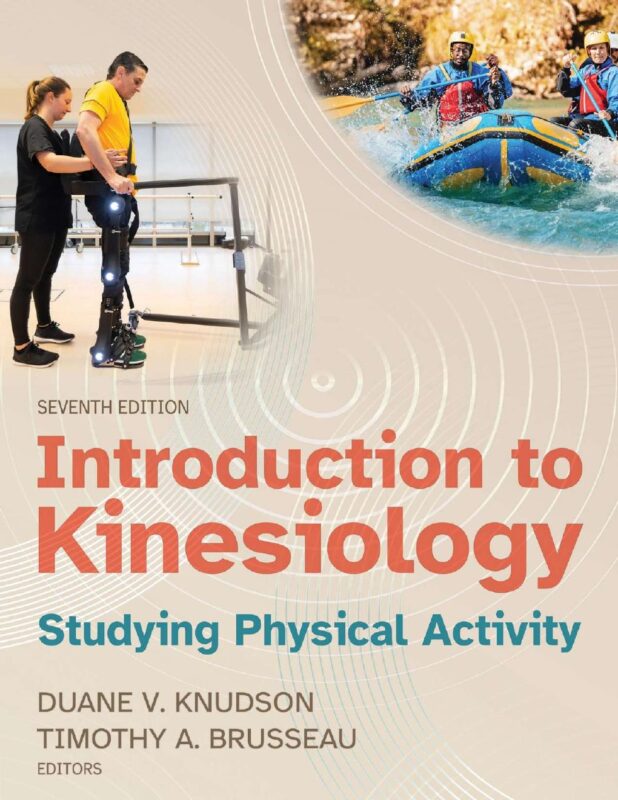
Introduction to Kinesiology: Studying Physical Activity 7th Edition By Duane V. Knudson, Timothy A. Brusseau
$30.00
Secure checkout
Instant digital download
PDF document
Document details
- Pages
- 510
- File size
- 14.12 MB
- Format
- Digital PDF
- Course
- Political Science
- Category
- eBook[PDF]
Sign in or create a free account to continue. Your purchase will be saved in My Downloads.
About this ebook
The 7th edition of Introduction to Kinesiology: Studying Physical Activity, edited by Duane V. Knudson and Timothy A. Brusseau, is structured into three distinct parts covering the foundations, core academic subdisciplines, and professional career paths in the field. This updated edition also integrates contemporary themes, such as the compensation of student-athletes, equity in services, and emerging high-performance sports careers. [1, 2]
Part I: Experiencing Physical Activity
This section covers the basic definitions and the primary methods through which humans engage with and understand physical activity. [1, 2]
- Meaning of Physical Activity: Defining kinesiology and its scope.
- Sphere of Experience: Exploring daily living, self-expression, work, education, leisure, health, and competition.
- Subjective Experience: Understanding how personal perspectives shape physical engagement. [1, 2]
Part II: Scholarly Study of Physical Activity
This section breaks down the seven major academic subdisciplines of kinesiology, exploring the history, research methods, and modern applications of each: [1, 2]
- Philosophy of Physical Activity: Ethical issues and conceptual definitions of movement.
- History of Physical Activity: Evolution of sport, exercise, and health behaviors over time.
- Sociology of Physical Activity: Gender, race, socioeconomic status, and inequality in sports.
- Motor Behavior: How motor skills are learned, controlled, and developed across a lifespan.
- Sport and Exercise Psychology: Mental factors influencing performance and physical habits.
- Biomechanics: Mechanical principles governing human movement and safety.
- Physiology of Physical Activity: Cardiovascular, metabolic, and muscular responses to exercise.
Part III: Professional Practice in Physical Activity
This concluding portion addresses professional ethics, evidence-based practice, and specific occupational sectors: [1]
- Health and Fitness Careers: Roles in personal training, corporate wellness, and fitness management.
- Therapeutic Exercise Careers: Rehabilitation, physical therapy, occupational therapy, and athletic training.
- Teaching Physical Education: Pedagogy, curriculum design, and instructional strategies.
- Coaching and Sport Instruction: Techniques, management, and elite sport mentorship.
- Sport Management Careers: Operations, sports marketing, and event direction.
New & Trending Topics in the 7th Edition
- College Athlete Compensation: Legal and social ramifications of Name, Image, and Likeness (NIL) shifts.
- Equitable Services: Addressing socioeconomic and cultural disparity in access to sports and health.
- High-Performance Professions: New career niches emerging within elite sports analytics and training.
- Hot Topic Sidebars: Research breakthroughs highlighted within each subdiscipline. [1]
File included
tmpphp0ZLPh5
14.12 MB
Related ebooks