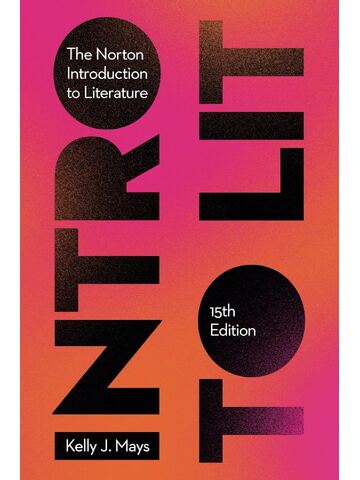
The Norton Introduction to Literature, 15th Edition By Kelly J. Mays
$29.00
Secure checkout
Instant digital download
PDF document
Document details
- Pages
- 2,224
- File size
- 267.7 KB
- Format
- Digital PDF
- Course
- English Literature
- Category
- eBook[PDF]
Sign in or create a free account to continue. Your purchase will be saved in My Downloads.
About this ebook
The Norton Introduction to Literature, 15th Edition by Kelly J. Mays is structurally organized around the three major literary genres—Fiction, Poetry, and Drama—alongside comprehensive frameworks for critical reading, literary analysis, and academic writing. [1, 2]
The complete breakdown of the core topics, themes, and chapters covered in this edition includes:
Part One: Fiction
This section introduces the foundational components of narrative storytelling, using classic and contemporary short stories to explore how fiction is constructed. [1, 2]
- Elements of Fiction: Deep dives into Plot (action vs. sequence), Narration and Point of View (first, second, and third-person perspectives), Character, Setting, Symbol, and Theme. [, 2]
- The "You" Turn Album: A specialized collection of short stories written entirely in the second person to help students analyze this rare narrative style. [1]
- Author Case Studies: Features integrated "Authors on Their Work" sections, including deep-dives into authors like George Saunders, Lauren Groff, and Chimamanda Ngozi Adichie. [, 2]
Part Two: Poetry
This section teaches students how to read, interpret, and hear the nuances of poetic language and form. [1]
- Elements of Poetry: Comprehensive coverage of Voice (speaker and tone), Word Choice (denotation and connotation), Imagery, Figures of Speech (metaphor, simile, personification), Sound (rhyme, meter, rhythm), and Internal Structure/Form (sonnets, free verse).
- The Martín Espada Album: A dedicated focus inviting students to examine poetry’s active role in protest, advocacy, and social justice through the lens of this Pulitzer Prize winner. [1]
Part Three: Drama
This section explores literature designed for the stage, highlighting how performance elements shape text interpretation. [1]
- Elements of Drama: Core topics covering Dramatic Structure (exposition, rising action, climax), Characterization in Playwriting, Staging and Set Design, and Dialogue vs. Monologue.
- Tragedy and Comedy: Comparative studies of classical tragedies and modern comedic structures.
Part Four: Writing, Analysis, and Digital Literacy
A major focus of the 15th edition is building student confidence in research, composition, and navigating modern academic environments. [1, 2]
- The Writing Process: Step-by-step guidance on generating a thesis, drafting a literary argument, and effectively incorporating textual evidence.
- Critical Approaches: An introduction to literary theories (e.g., historical, psychological, feminist, and cultural criticism) to view texts through different interpretive lenses.
- Writing with Generative AI: An entirely new chapter for the 15th edition that outlines clear guidelines, examples, and ethical boundaries for utilizing AI tools productively when reading and analyzing literature.
- Research and MLA Documentation: Practical instructions for formatting literary research papers and utilizing the latest MLA citation guidelines. [, 2, 3, 4, 5]
File included
The-Norton-Introduction-to-Literature-15th-Edition-By-Kelly-J.-Mays.pdf
267.7 KB
Related ebooks