
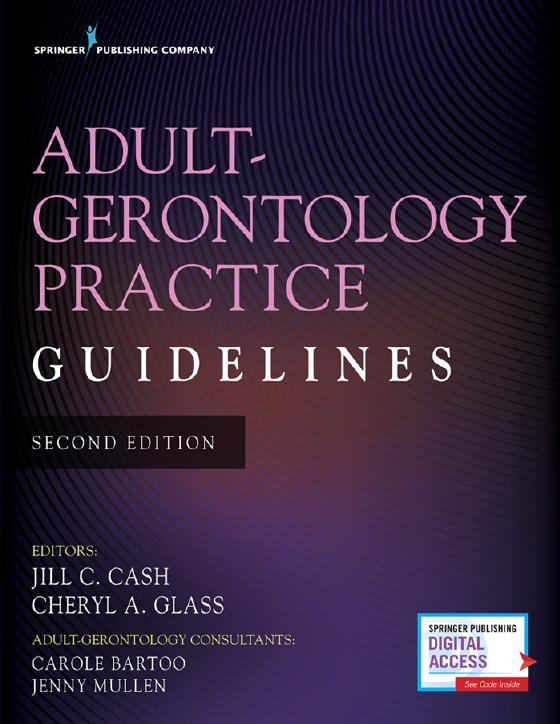
Adult Gerontology Practice Guidelines 2nd Edition By Cheryl Anne Glass, Jill C Cash
$30.00
Secure checkout
Instant digital download
PDF document
Document details
- Pages
- 1,129
- File size
- 36.05 MB
- Format
- Digital PDF
- Course
- Education
- Category
- eBook[PDF]
Sign in or create a free account to continue. Your purchase will be saved in My Downloads.
About this ebook
The Adult-Gerontology Practice Guidelines (2nd Edition), edited by Jill C. Cash and Cheryl A. Glass, is a comprehensive primary care clinical reference. It is systematically organized using an outline format, covering more than 240 disorder guidelines arranged primarily by body systems, alongside sections on health maintenance, procedures, and patient teaching. [1, 2, 3]
The textbook is divided into three core sections covering the following major topics and themes: [1]
Section I: General Guidelines and Clinical Assessments
- Normal Physiological Changes in the Aging Adult: System-by-system changes spanning the brain, nervous system, cognition, cardiovascular circulation, immune system, respiratory function, metabolism, musculoskeletal, and sensory organs (vision, hearing, taste, smell). [1]
- Healthy Living & Preventive Healthcare: Age-specific screening recommendations (e.g., abdominal aortic aneurysm, bone mass density, colorectal, cardiovascular, depression, diabetes, and infectious disease screenings) along with immunization and pretravel health guidelines. [1]
- Adult-Geriatric Assessments: Guidelines for taking comprehensive clinical histories and risk assessments tailored to older adults. [1, 2]
- Geriatric Syndromes: An entirely new dedicated section for the second edition addressing complex health states unique to aging adults, such as frailty, falls, and polypharmacy. [1, 2]
- Pharmacology & Polypharmacy: Integrated analysis of medication issues, specifically highlighting the Beers Criteria (BEERS list) to guide practitioners in safely adding, tapering, or managing drug regimens. [1]
- Caregiver and End-of-Life Issues: Clinical guidance regarding caregiver support and managing end-of-life care decisions. [1, 2]
Section II: Guidelines for Body Systems & Disorders
Disorders are listed alphabetically within their respective biological systems. Each disorder is structured consistently to cover definitions, incidence, pathogenesis, predisposing factors, subjective data, physical exam requirements, diagnostic tests, differential diagnoses, and detailed management plans. Major systems covered include: [1, 2]
- Skin/Integumentary: Conditions like cellulitis, abscesses, contact dermatitis, shingles (herpes zoster), lower-extremity ulcers, pressure injuries, precancerous/cancerous lesions, and wound care.
- Eye & Vision: Conditions such as blepharitis, cataracts, chalazion, conjunctivitis, corneal abrasions, dry eyes, and glaucoma.
- Other Systems: Comprehensive primary care management of the cardiovascular, respiratory, gastrointestinal, genitourinary, musculoskeletal, endocrine, and neurological systems. [1, 2]
Section III: Common Procedures & Patient Teaching Guides
- Clinical Procedures: Step-by-step guidance for 18 common procedures routinely utilized within outpatient office or clinic environments.
- Patient-Teaching Guides: 140 practical client teaching guides (available digitally as patient handouts) that break down health concerns, symptom management, and recovery steps in accessible language for older adults and their families. [1, 2, 3]
File included
ScholarFriends.com-adult-gerontology-practice-guidelines-2nd-edition-by-cheryl-anne-glass-jill-c-cash.pdf
36.05 MB
Related ebooks



