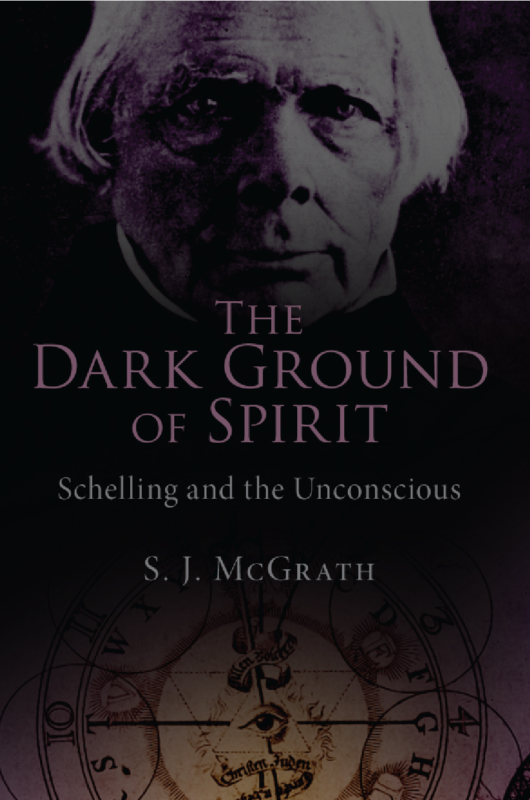
The Dark ground of Spirit Schelling and the Unconscious By S.J. McGrath
$25.00
Secure checkout
Instant digital download
PDF document
Document details
- Pages
- 233
- File size
- 1.39 MB
- Format
- Digital PDF
- Course
- Psychology
- Category
- eBook[PDF]
Sign in or create a free account to continue. Your purchase will be saved in My Downloads.
About this ebook
The Dark Ground of Spirit: Schelling and the Unconscious is a 2012 book by Canadian philosopher Sean J. McGrath. The book traces the origin of the psychological concept of the unconscious to the speculative metaphysics and romantic philosophy of Friedrich Wilhelm Joseph Schelling. McGrath argues that before Sigmund Freud restricted the unconscious to clinical psychopathology, Schelling conceptualised it as a vital bridge between nature and spirit, serving as an autonomous, creative power. [1, 2, 3]
Key Themes of the Book
- The Creative Unconscious: Unlike modern clinical frameworks that view the unconscious as a repository for repressed trauma, McGrath highlights Schelling’s view of the unconscious as a primary source of creative and generative power. [1, 2]
- Nature and Spirit: The book charts how the early Schelling used the concept of the unconscious to overcome the Cartesian split between mind and body, framing human intelligence as a continuation of the non-reflective forces found in nature. [1, 2]
- Esoteric and Mystical Roots: McGrath explores Schelling’s heavy reliance on esoteric traditions like Jakob Böhme, Lurianic Kabbalah, and alchemy to explain the chaotic, dark ground (the Grund) from which both human and divine personality emerge. [1, 2]
- A Condition for Life: In contrast to contemporary readings by philosophers like Slavoj Žižek—who align Schelling with Jacques Lacan's reactive, punitive unconscious—McGrath maintains that for Schelling, sinking choices beneath consciousness is a positive, protective requirement for freedom, life, and love. [1]
- Influence on Modern Psychology: The text details how Schelling's ideas laid the foundations for late nineteenth-century romantic psychology and were later revitalised by Carl Jung and transpersonal psychologists. [1]
File included
tmpphpWsnFX7
1.39 MB
Related ebooks